
Gum Grafting in Toronto & North York
Restore Your Gums, Protect Your Smile
Serving Toronto, North York & Surrounding Communities
Gum recession is a common condition that exposes the roots of your teeth, leading to sensitivity, discomfort, and long-term structural damage. It also affects the stability of dental implants and the esthetics of your smile.
At Implant Dentistry Toronto, Dr. Onur Cavus offers gum grafting to restore and strengthen gum tissue using either your own tissue or biocompatible graft materials—customized to your individual needs and goals.
Whether you’re addressing natural gum recession or preparing for implant placement, our goal is to help you regain healthy, protective, and esthetically pleasing gum tissue.
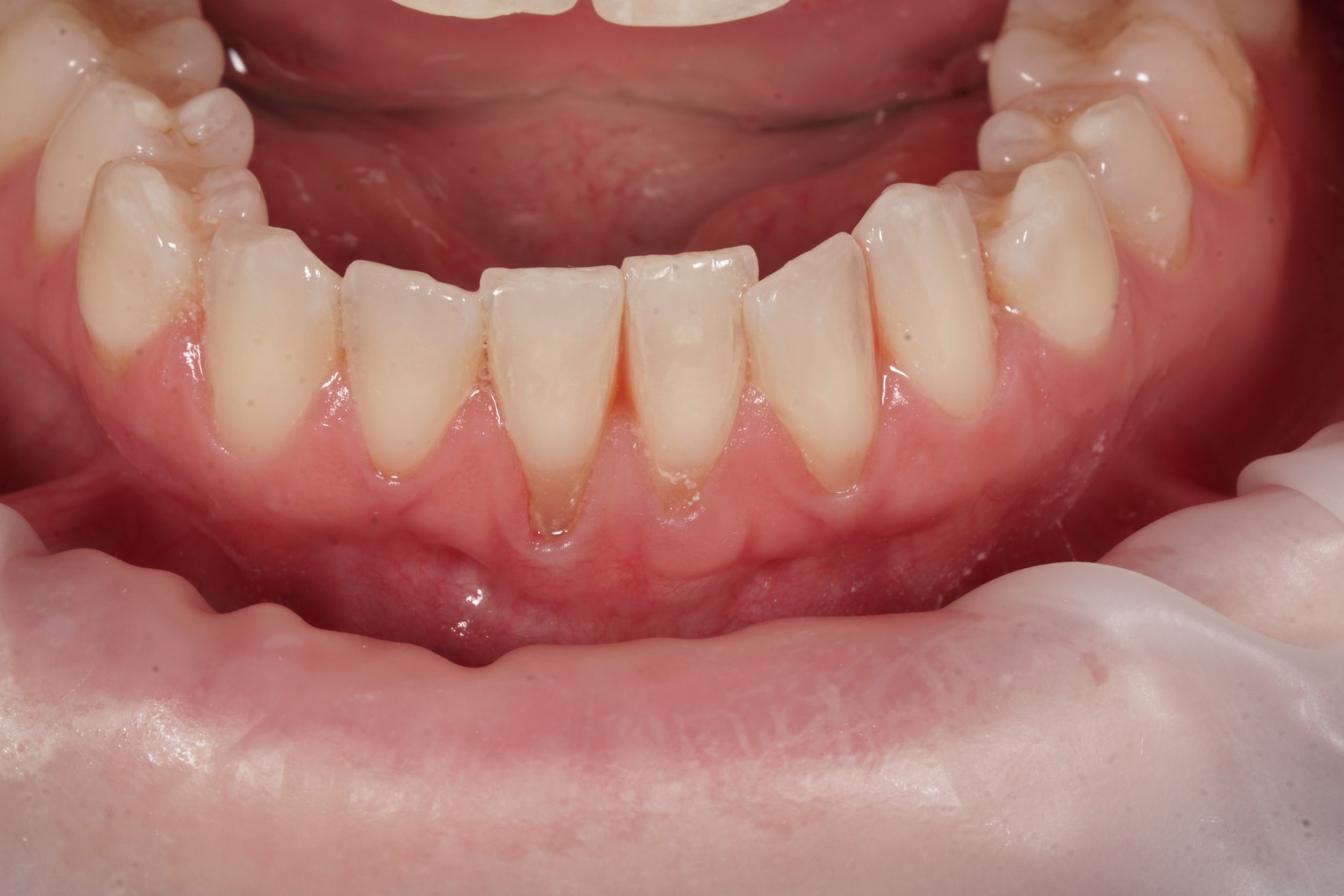
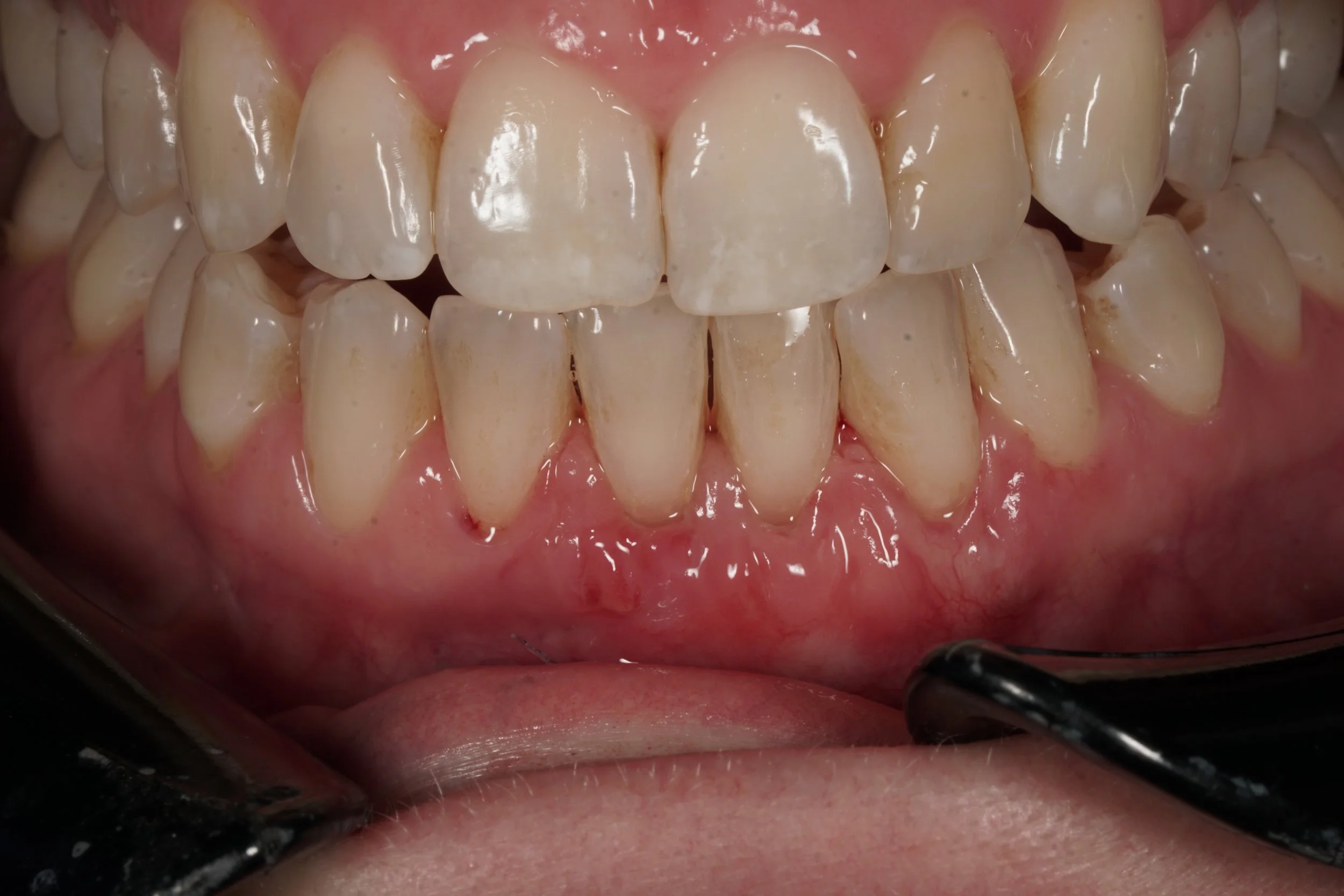
What Is Gum Recession?
Gum recession occurs when the gum tissue surrounding your teeth wears away or pulls back, exposing the tooth roots. It may develop slowly and often goes unnoticed until it causes tooth sensitivity, root exposure, or esthetic concerns.
Common Causes of Gum Recession:
Periodontal (gum) disease
Aggressive tooth brushing
Thin or delicate gum tissue
Genetic predisposition
Orthodontic tooth movement
Tooth loss or trauma
If left untreated, gum recession can progress, leading to bone loss, root decay, and difficulty maintaining oral hygiene.
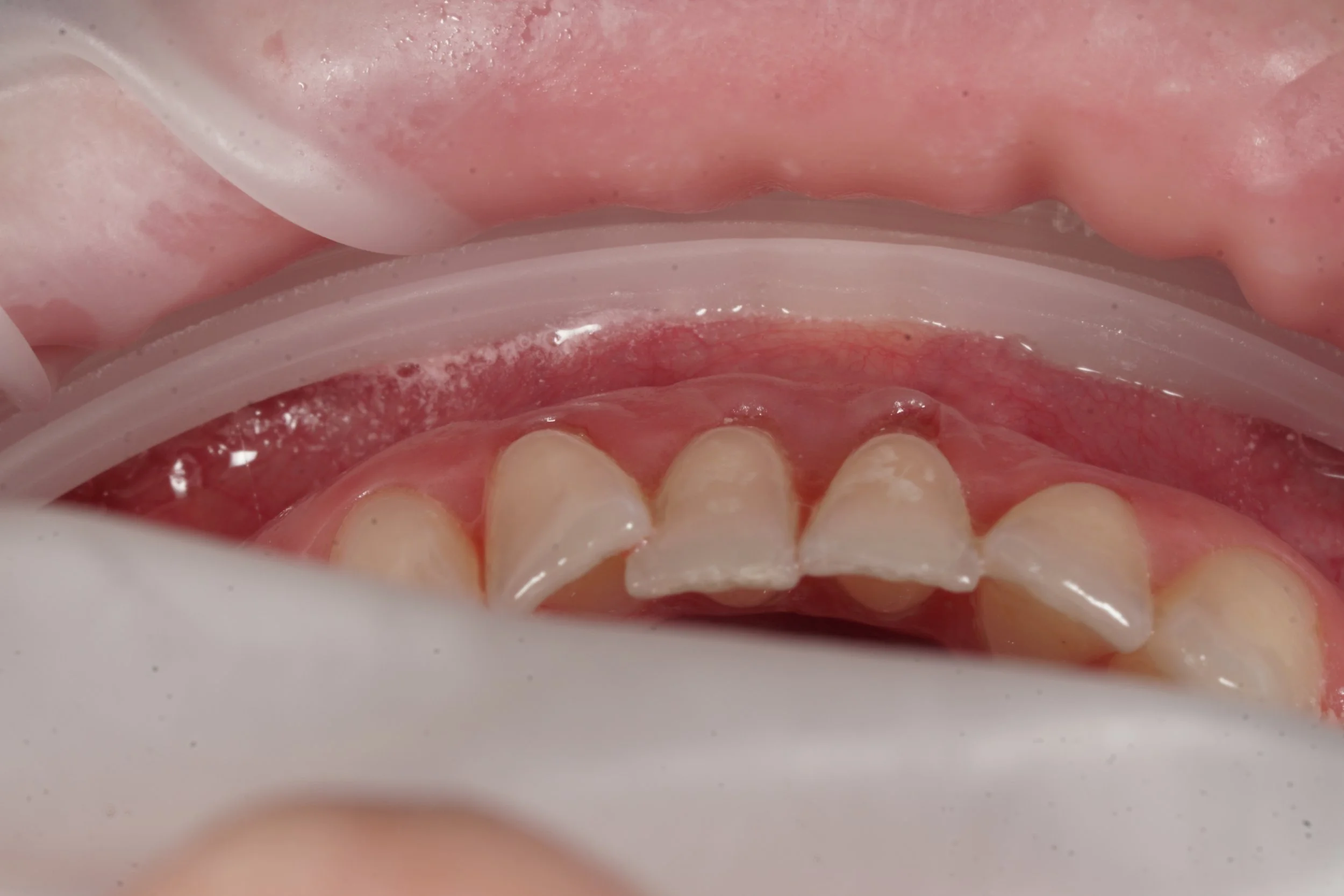
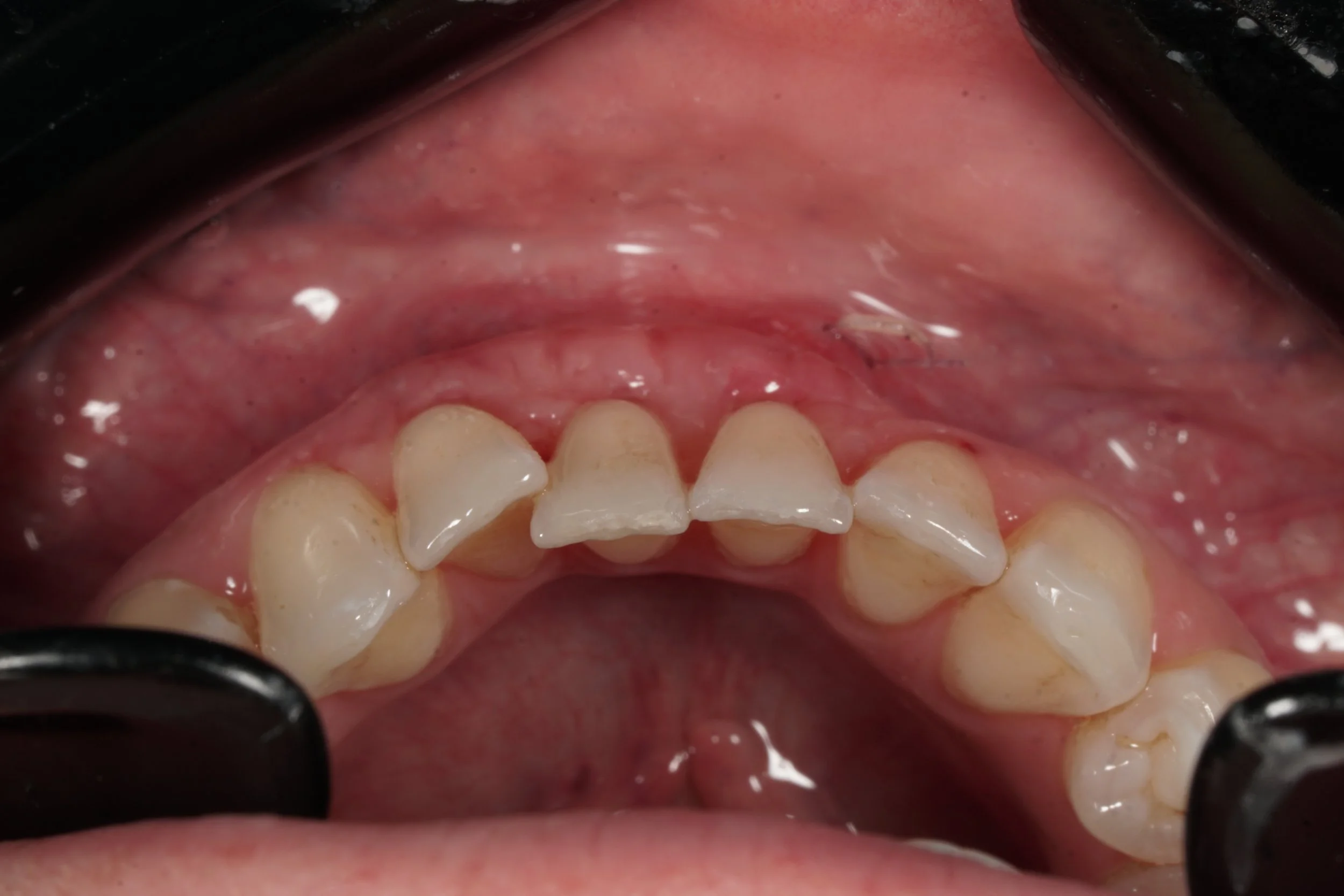
Why Gum Tissue Matters for Dental Implants
For patients missing teeth, adequate gum thickness and volume are essential for long-term implant success. A healthy, well-attached band of gum tissue creates a stable seal around the implant, protects against infection, and supports a natural-looking smile.
If you’ve experienced bone or gum loss from previous extractions or disease, Dr. Cavus may recommend gum grafting before or during implant placement to achieve optimal long-term results.
What Is Gum Grafting?
Gum grafting is a minor surgical procedure that rebuilds and strengthens gum tissue. It helps:
Cover exposed tooth roots
Increase gum thickness
Improve esthetic harmony around teeth and implants
Prevent further recession or bone loss
Reduce root sensitivity
Create stable soft tissue around dental implants
This treatment can dramatically improve both comfort and appearance while protecting teeth and implants from future damage.
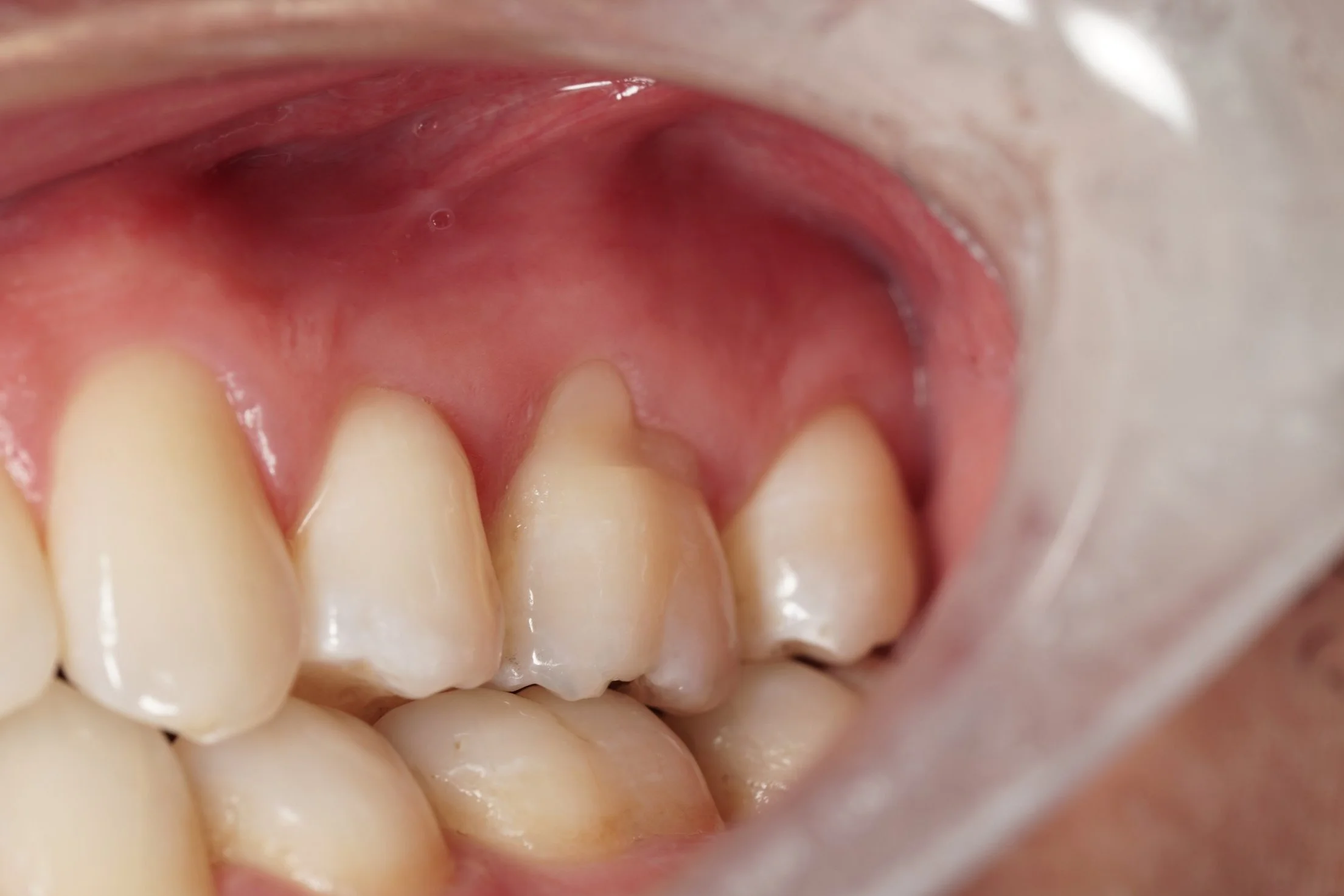
Before

After
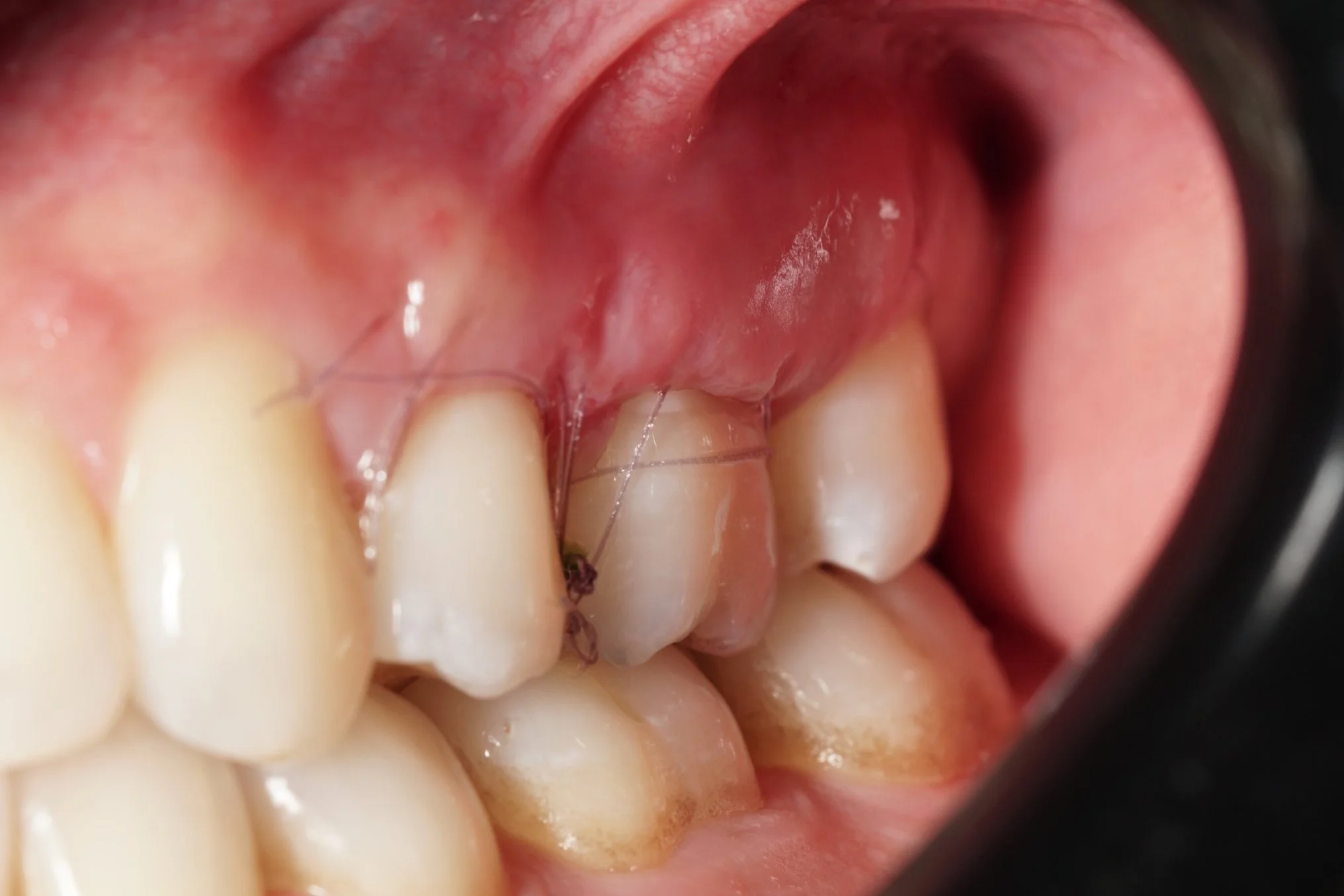
2 weeks after surgery
Techniques Used at Implant Dentistry Toronto
1. Connective Tissue Graft (CTG)
The most widely used method. A small flap is created in the palate (roof of the mouth), and tissue is taken from beneath the surface. The graft is placed over the recessed area and sutured for natural integration.
Ideal for:
Root coverage
Enhancing gum volume
Esthetic (front) teeth
Implant soft tissue augmentation
2. Free Gingival Graft (FGG)
In this method, a thin layer of tissue is taken directly from the palate’s surface and placed in the graft area. It’s ideal for increasing keratinized tissue and stability rather than covering roots.
Ideal for:
Increasing gum thickness
Stabilizing tissue in lower front teeth
Creating strong attached gum around implants
3. Grafting with Biomaterials
For patients who prefer not to use their own palate tissue, Dr. Cavus offers high-quality donor tissue grafts and collagen-based biomaterials. These options are safe, sterile, and well-established in modern periodontal and implant dentistry.
Ideal for:
Patients with thin palates or multiple graft sites
Reducing donor-site discomfort

Connective Tissue Graft serves as a critical part of dental implant treatment to maintain an esthetic long lasting outcome
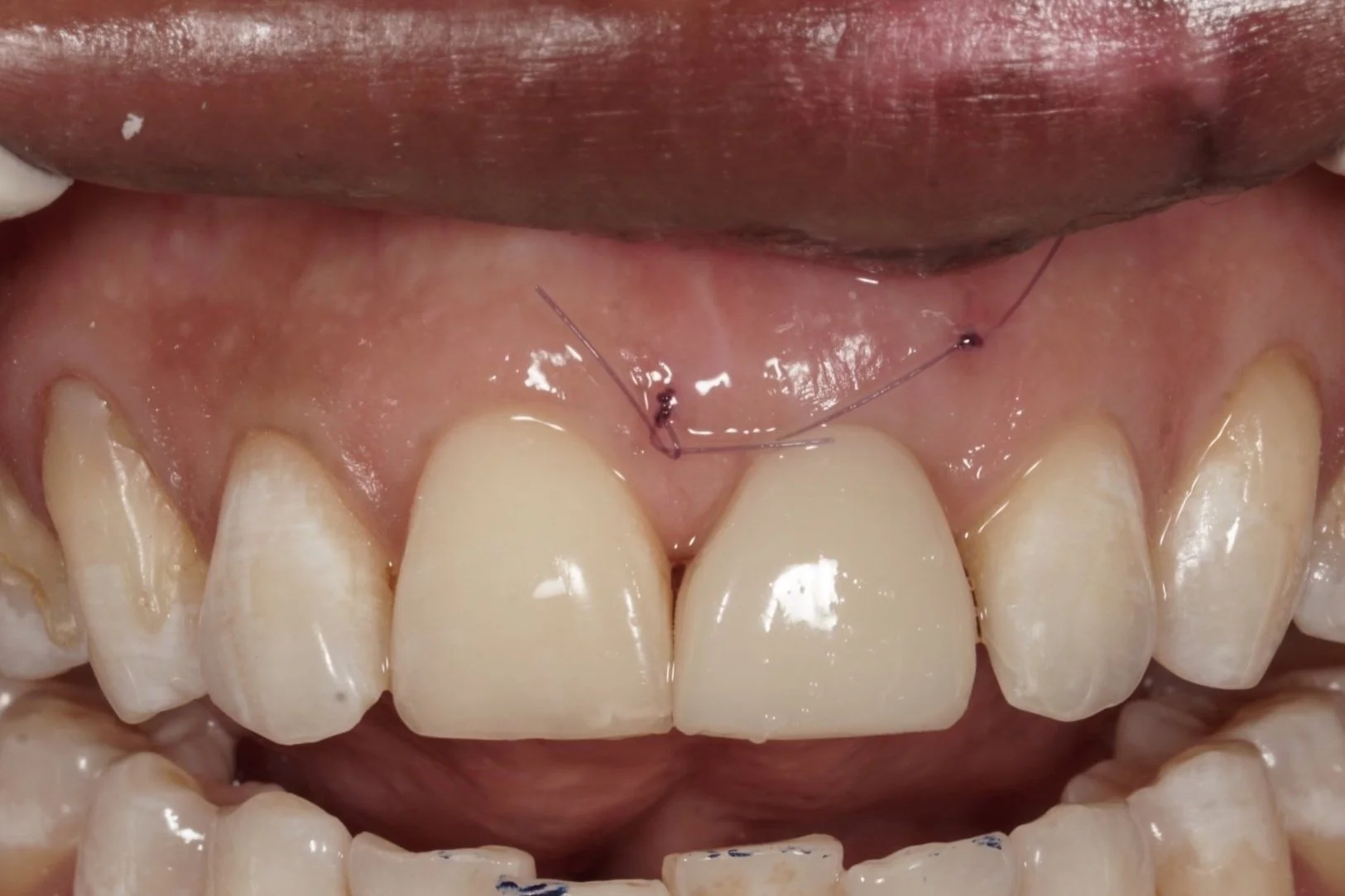
Connective Tissue Graft helps to maintain esthetic gum contours following tooth removal
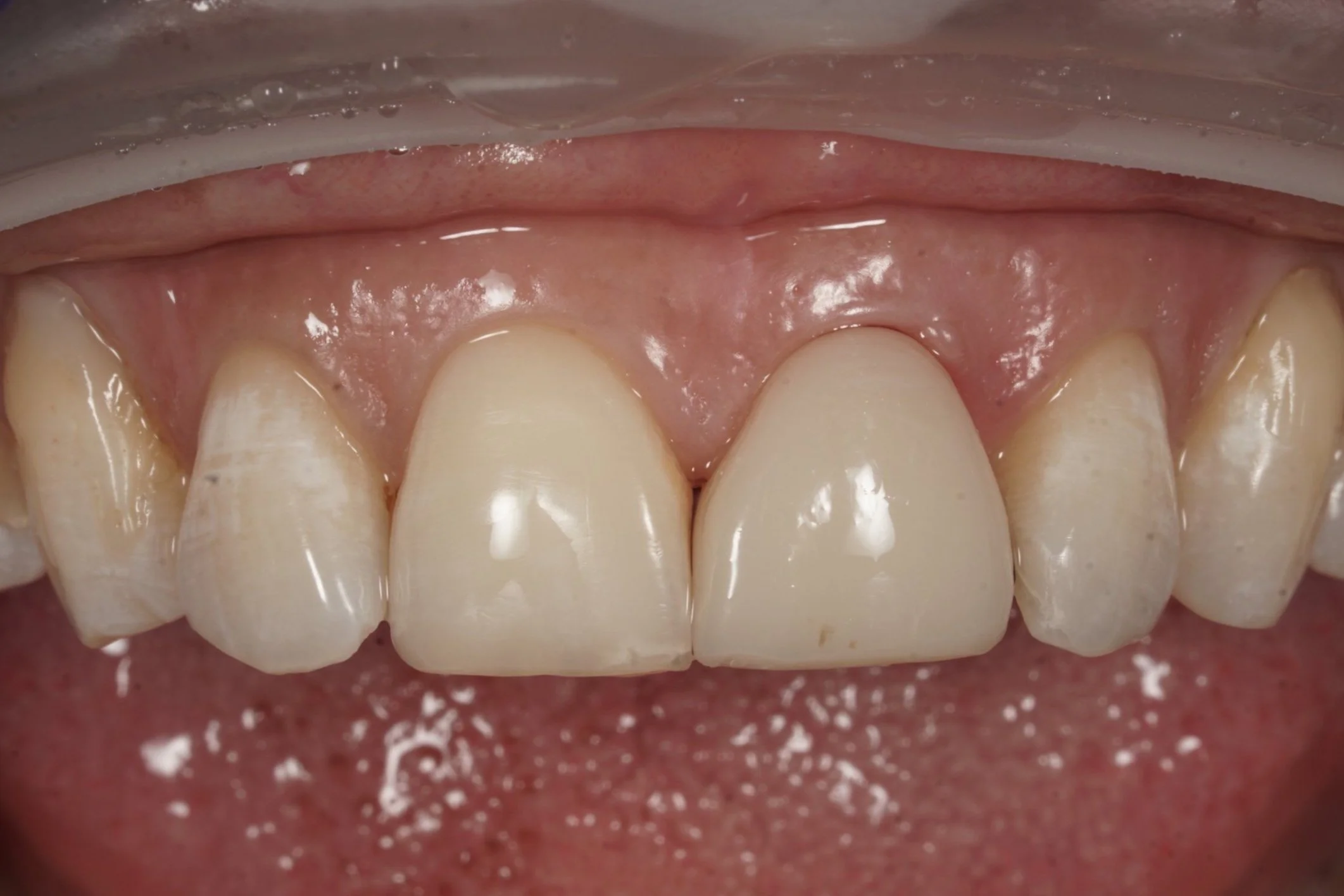
Connective Tissue Graft helps preserve gum level amnd contour around dental implant crowns
Gum Grafting for Implant Patients
When placing implants—especially in the front esthetic zone—soft tissue volume and quality are key for long-term success and beautiful outcomes.
Gum grafting around implants can:
Improve soft tissue contours
Prevent collapse of gum margins
Enhance esthetics and smile symmetry
Reinforce thin or mobile tissue
These refinements help ensure your implant restorations look natural and remain stable over time.
What to Expect During the Procedure
Duration: 60–90 minutes
Anesthesia: Local anesthesia; oral or IV sedation available for comfort
Downtime: 1–2 days of mild tenderness; full healing over several weeks
Follow-up: Sutures (if non-resorbable) are removed; healing is monitored closely
You’ll receive detailed post-operative instructions to ensure smooth healing. Most patients return to normal routines within a few days.
Alternatives & When Grafting May Not Be Necessary
In mild cases of gum recession, non-surgical options such as desensitizing agents or minor bite adjustments may suffice.
However, gum grafting remains the most reliable long-term solution for:
Progressive or severe recession
Implant esthetics
Thin or missing attached gum tissue
Dr. Cavus provides honest, evidence-based guidance to help you determine whether grafting is necessary in your case.
Why Choose Dr. Onur Cavus?
Comprehensive Planning – Every treatment is tailored for long-term function and esthetics.
Evidence-Based Approach – Techniques backed by current research and biomaterial science.
Comfort-Focused Care – Certified for IV sedation, ensuring every patient’s comfort and safety.
Serving patients across Toronto and North York, Dr. Cavus provides advanced soft tissue management with precision, care, and aesthetic detail.
Frequently Asked Questions
Is gum grafting painful?
Most patients experience only mild discomfort, similar to a scraped knee. Local anesthesia and optional sedation ensure a comfortable experience.
Can you graft without taking tissue from my palate?
Yes. We offer grafting with donor tissue or collagen membranes—ideal for patients needing multiple grafts or avoiding a second surgical site.
How long does healing take?
Initial healing occurs in 1–2 weeks. Full graft integration and tissue maturation take approximately 6–8 weeks, depending on your case.
Book Your Gum Grafting Consultation in Toronto & North York
If you’re experiencing gum recession, planning for dental implants, or seeking to improve the appearance of your smile, gum grafting may be the solution.
Dr. Onur Cavus welcomes patients from Toronto, North York, and surrounding communities.
Call us or book your consultation online — and explore your options for grafting with your own tissue or advanced biomaterials.
Common Questions About Gum Grafting
Gum recession can result from aggressive brushing, gum disease, thin gum tissue, genetics, or trauma. Identifying the cause helps prevent future issues.
Yes — gum grafting often improves esthetics by covering exposed roots, evening gum lines, and restoring balance around teeth and implants.
Clinical studies report high success rates for gum grafting when performed with appropriate patient selection and surgical technique.
Local anesthesia is often enough, but IV or oral sedation is available for patients who prefer a more relaxed experience during the procedure.