
Bone Grafting for Dental Implants in Toronto
Rebuilding the Foundation for Successful Implant Treatment
Bone grafting is often a necessary step before dental implant placement when there isn’t enough bone volume to support the implant securely.
Dr. Onur Cavus provides bone grafting procedures in Toronto, helping patients restore bone health and create a strong foundation for long-term implant success.
Why Bone Grafting Is Needed
Bone loss in the jaw can occur for several reasons:
Tooth extraction without immediate implant placement
Long-standing missing teeth
Periodontal (gum) disease
Infection or trauma
Natural bone resorption over time
Without adequate bone height or width, dental implants cannot achieve proper stability. Bone grafting restores the missing volume and density, allowing implants to integrate safely and predictably.
Types of Bone Grafts
1. Socket Preservation (After Extraction)
Performed immediately after tooth extraction to prevent bone shrinkage.
A bone graft material is placed into the empty socket to maintain its shape for future implant placement.
2. Ridge Augmentation
Used when bone width or height has already diminished.
The graft material is added to rebuild the ridge contour, improving both function and esthetics.
3. Sinus Lift (Sinus Augmentation)
In the upper back jaw, bone grafting may be combined with a sinus lift procedure to increase vertical bone height.
Learn more about sinus lifting →
4. Guided Bone Regeneration (GBR)
A technique using bone grafts and biocompatible membranes to direct new bone growth around implant sites.
This method is especially effective for localized bone defects.
Types of Grafting Materials
Depending on your clinical needs and preferences, Dr. Cavus may use:
Allograft: Processed donor bone
Xenograft: Biocompatible bone from a natural source
Alloplastic: Synthetic bone substitutes
Autograft: Small graft harvested from your own bone (in select cases)
Each option is chosen based on biological compatibility, healing potential, and intended outcome.
The Procedure and Healing
Evaluation and 3D Imaging:
A CBCT scan or digital imaging helps assess bone quality and determine graft volume.
Graft Placement:
The bone material is placed in the deficient area and stabilized with a membrane or sutures.
Healing Phase:
Over several months, your body gradually replaces the graft with natural bone, forming a strong, integrated foundation for implants.
Implant Placement:
Once sufficient bone has formed, your dental implant can be placed either simultaneously (in smaller grafts) or after full healing (typically 4–9 months).
Is Bone Grafting Painful?
Bone grafting is typically performed under local anesthesia or IV sedation for optimal comfort.
Postoperative discomfort is minimal and can be easily managed with prescribed medication and cold compresses.
Learn more about sedation options →
Why Choose Dr. Onur Cavus for Bone Grafting?
Over 18 years of surgical experience
Extensive implant dentistry experience
Certified in IV sedation for anxiety-free care
Experience in guided bone regeneration and full-arch reconstruction
Evidence-based, precision-driven approach with 3D digital planning
Serving patients across Toronto, Dr. Cavus provides advanced bone augmentation procedures designed to improve implant stability, esthetics, and long-term oral health.
Frequestly Asked Questions
1. Do all dental implants require bone grafting?
Not always. If you’ve lost minimal bone and still have adequate height and width, grafting may not be necessary. Dr. Cavus will determine this after a clinical exam and 3D scan.
2. Can bone grafting and implants be done at the same time?
Yes — in select cases with minor deficiencies. Larger grafts usually need separate healing before implant placement.
3. How long does a bone graft take to heal?
Typically between 4 and 9 months, depending on the extent of grafting and individual healing capacity.
4. Will I feel pain after bone grafting?
Mild soreness or swelling is normal for a few days and managed with medications and cold compresses.
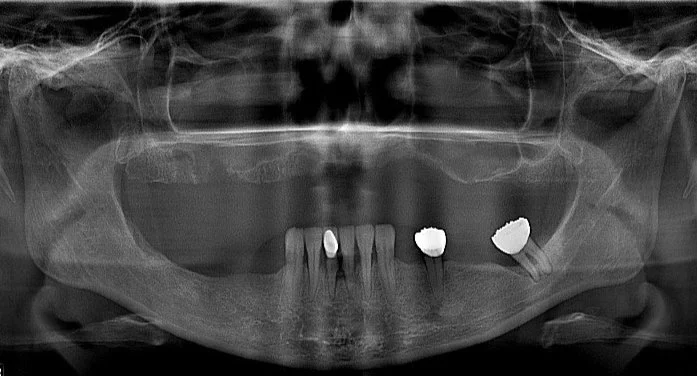
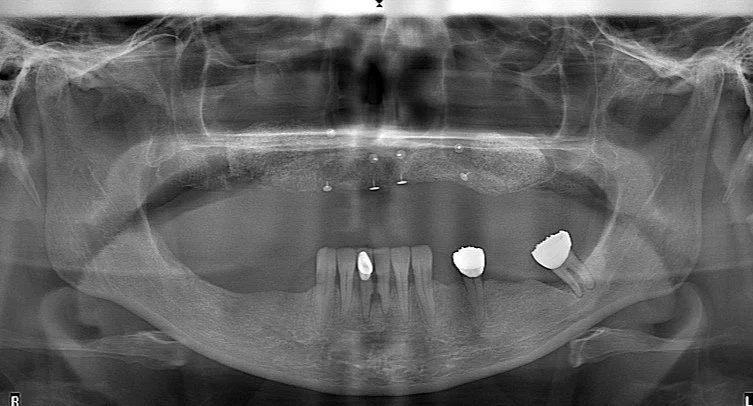
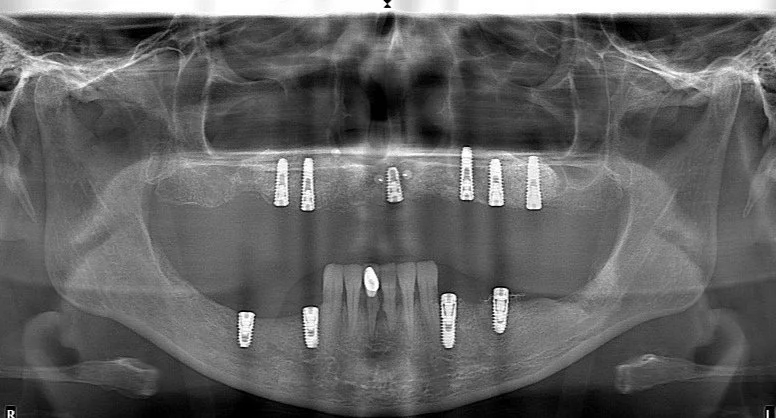
Ready to Rebuild Your Smile?
A strong foundation means long-term success.
Book your consultation with Dr. Onur Cavus to learn how bone grafting can prepare you for dental implants that look and feel natural.
Serving patients throughout Toronto and North York.
Bone grafting will be available at Innova Dental, Dr. Cavus's new implants and comprehensive dentistry clinic opening in downtown Toronto in 2027.
Frequently Asked Questions about Bone Grafting
-
Not always. Dr. Cavus performs a detailed clinical and radiographic evaluation to determine if you have enough natural bone. In many cases, small localized grafts or implant-site preservation can eliminate the need for a larger graft.
-
Bone grafts may come from biocompatible donor materials (allograft), natural mineral sources (xenograft), or synthetic bone substitutes. Each is safe, sterile, and selected based on your anatomy and treatment goals.
-
Implant placement can occur either immediately (if the graft is small) or after 4–9 months of healing. Dr. Cavus will decide the best timing based on graft integration and bone quality.
-
Mild swelling or pressure is normal for a few days. Ice packs, soft foods, and prescribed medication will keep you comfortable. Most patients return to work within 1–2 days.
-
Successful grafts feel firm and stable at follow-up visits. 3D CBCT imaging may be used to verify bone regeneration before proceeding with implant placement.