
Sinus Lift Surgery in Toronto
At Implant Dentistry Toronto™, Dr. Onur Cavus performs sinus lift and bone grafting procedures to rebuild bone in the upper jaw and create a stable foundation for dental implants.
A sinus lift — also called sinus augmentation — raises the sinus membrane and places bone graft material in the posterior maxilla. This procedure restores bone height and allows long-term support for dental implants.
Dr. Cavus provides both lateral-window and crestal (internal) sinus-lift techniques, using CBCT-guided precision and sedation for patient comfort.
What Is a Sinus Lift?
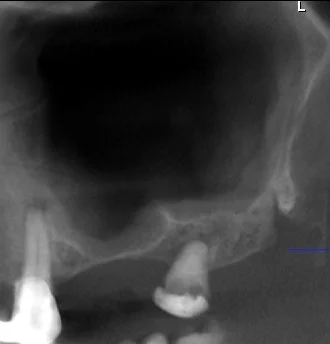
A sinus lift is performed in the area of the upper back teeth (premolars and molars), where the maxillary sinus lies just above the roots. When teeth are lost, bone resorption naturally occurs, reducing the available height for dental implants.
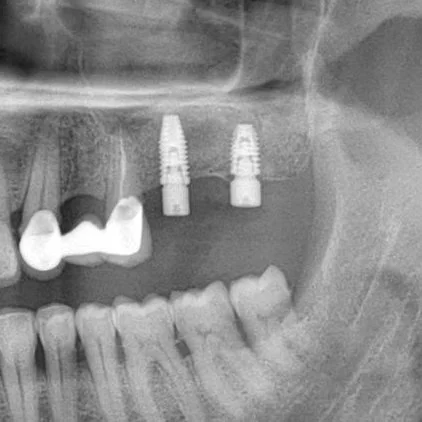
During a sinus lift, the sinus membrane is carefully elevated, and bone graft material is placed beneath it. This creates a stable foundation for secure, long-lasting dental implants.
Learn more about Bone Grafting →
Explore more and see an example Sinus Lifting Case→
When Is a Sinus Lift Needed?
A sinus lift may be recommended when:
The bone in the upper jaw is too thin for implant placement
The maxillary sinus is naturally large or positioned low
Bone has resorbed following tooth extraction or periodontal disease
Previous trauma or infection reduced bone volume
Sinus augmentation helps patients across Toronto who were previously told they “don’t have enough bone” become candidates for dental implants.
Types of Sinus Lift Procedures
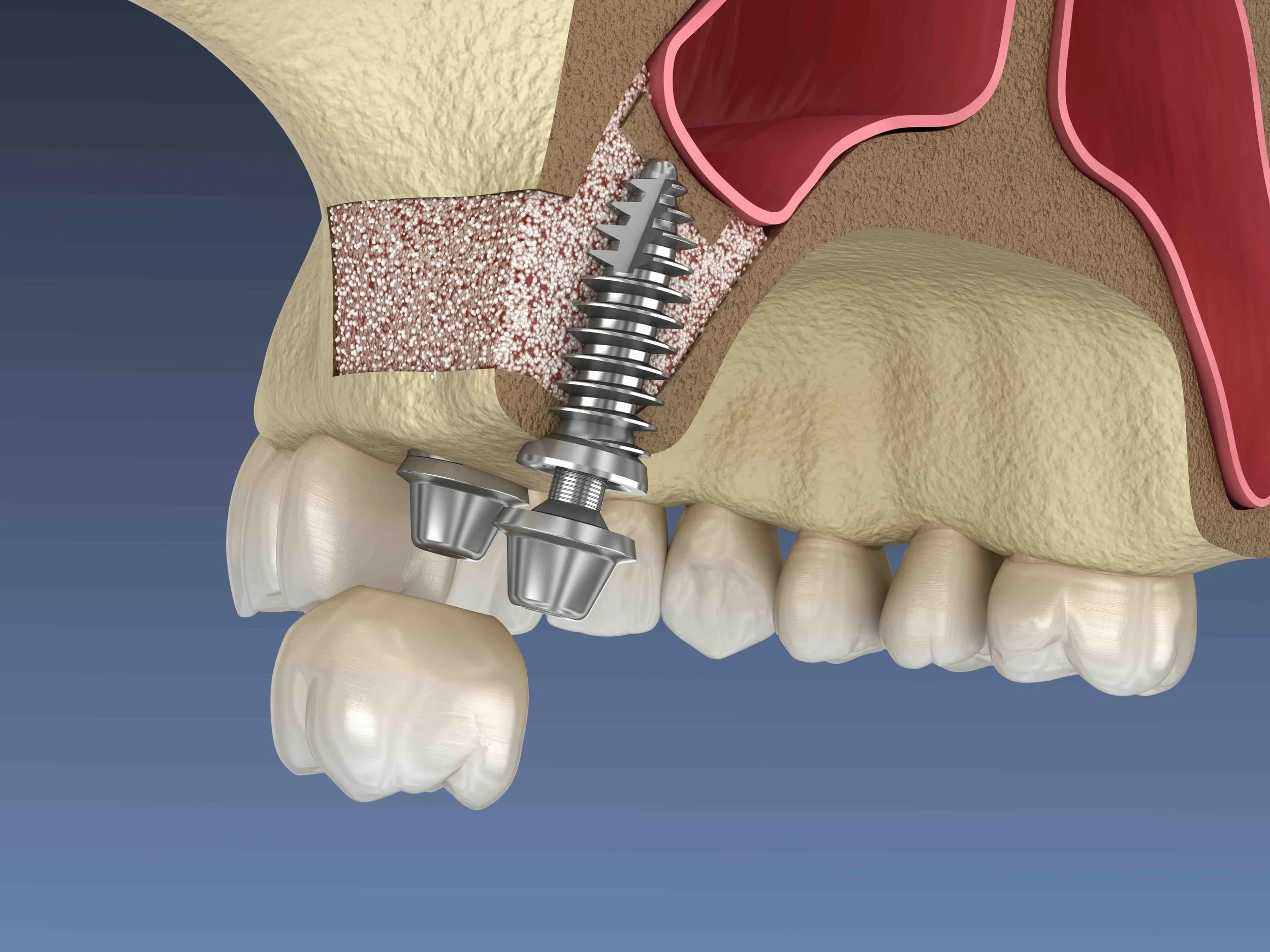
1. Lateral Window (Traditional) Approach
Used when a significant bone increase is required.
A small window is created on the outer wall of the maxilla.
The sinus membrane is gently lifted, and bone graft material is placed beneath it.
Typical healing time: approximately 6–9 months.
Dental implants can be placed simultaneously or after the healing period, depending on bone stability and graft integration.
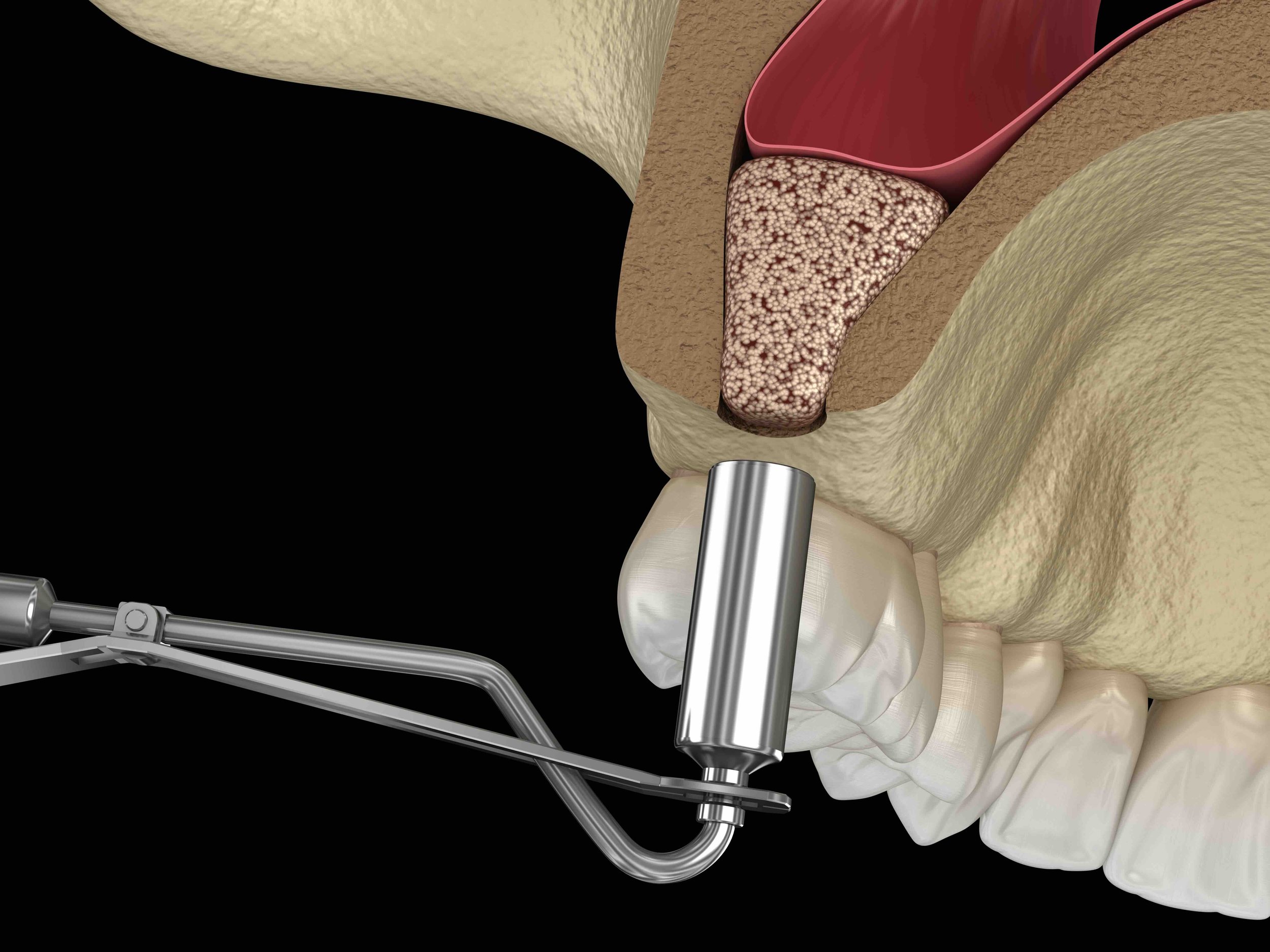
2. Crestal (Internal) Approach
Used when minimal bone gain (2–3 mm) is needed.
The sinus floor is elevated through the implant site.
Bone graft material is inserted.
In many cases, the implant can be placed at the same appointment.
Comfort and Sedation Options
Sinus lift procedures are performed under local anesthesia, often combined with sedation for maximum comfort.
Dr. Onur Cavus, certified in moderate IV sedation, offers a range of sedation options:
IV Sedation: Deep relaxation while remaining conscious and responsive
Oral Sedation: Mild to moderate relaxation
Nitrous Oxide (Laughing Gas): Light sedation that wears off quickly
📍 Explore Sedation for Dentistry →
Healing and Implant Placement Timeline
Healing time depends on the type of sinus lift performed:
4–6 months
Crestal / Internal
Often simultaneous
Implant Timing
Type of Lift
Typical Healing Period
Simultaneous or Implants after healing
Lateral / Traditional
6–9 months
Answers to Frequently Asked Questions
Is a sinus lift painful?
You’ll be completely numb with local anesthesia, and sedation is available. Mild soreness afterward is common and managed with routine medication.
Can implants be placed at the same time as a sinus lift?
Often, yes—with both internal (crestal) lift and lateral window technique, when adequate primary stability is achievable. This is confirmed after CBCT evaluation.
What bone graft materials are used?
Biocompatible options include allograft, xenograft, autogenous, or synthetic materials. Selection depends on your anatomy and goals.
How long do results last?
Once healed, the grafted bone integrates with your own bone and provides a durable foundation for dental implants.
Have more questions about dental implants, sedation, or surgical care? Visit our Frequently Asked Questions page for detailed answers about what to expect before and after your procedure.
Aftercare and Recovery
Mild sinus pressure or swelling for a few days is normal
Avoid blowing your nose or sneezing forcefully for 7–10 days
Follow prescribed rinses and medications
Eat soft foods and stay hydrated
Attend follow-up visits for monitoring and imaging
Risks and Complications
Sinus lift surgery is safe and predictable when performed by an experienced dentist, but potential risks include:
Sinus membrane perforation (usually repaired during surgery)
Temporary nasal pressure or congestion
Minor swelling or post-operative discomfort
Rare migration of graft material
These are typically mild and resolve quickly. Comprehensive post-operative instructions are provided for smooth healing.
📍 See Post-Operative Instructions →
Why Choose Dr. Onur Cavus for Sinus Lift Surgery?
Over 18 years of experience in implant dentistry, and both lateral and crestal sinus lift techniques
Use of digital CBCT imaging and surgical guides for precision
Providing implant and surgical care to patients from Toronto and North York
Book a Consultation
If you’ve been told you don’t have enough bone for dental implants, a sinus lift may be the solution that makes them possible.
Serving patients across Toronto, Dr. Cavus provides bone grafting and sinus augmentation procedures.

Sinus Lift – Frequently Asked Questions
In summary, Dr. Onur Cavus and Implant Dentistry Toronto™ provide sinus lift and bone grafting procedures in Toronto.
With over 18 years of experience, Dr. Cavus offers both lateral-window and crestal techniques under IV sedation, ensuring safe, predictable preparation for dental implant success.
Sinus lifting will be available at Innova Dental, Dr. Cavus's new implants and comprehensive dentistry clinic opening in downtown Toronto in 2027.