
Implantology — Toronto & North York
Dental Implants in Toronto — Restore Function,Comfort, and Confidence
At Implant Dentistry Toronto™, Dr. Onur Cavus provides comprehensive dental implant care from single-tooth replacements to full-arch rehabilitations. Planning, surgery, and restoration are all performed in-house by Dr. Cavus — one coordinated plan from diagnosis to final crown.
20 years clinical experience
In-house surgery & restoration
IV Sedation Available
3D CBCT precision planning

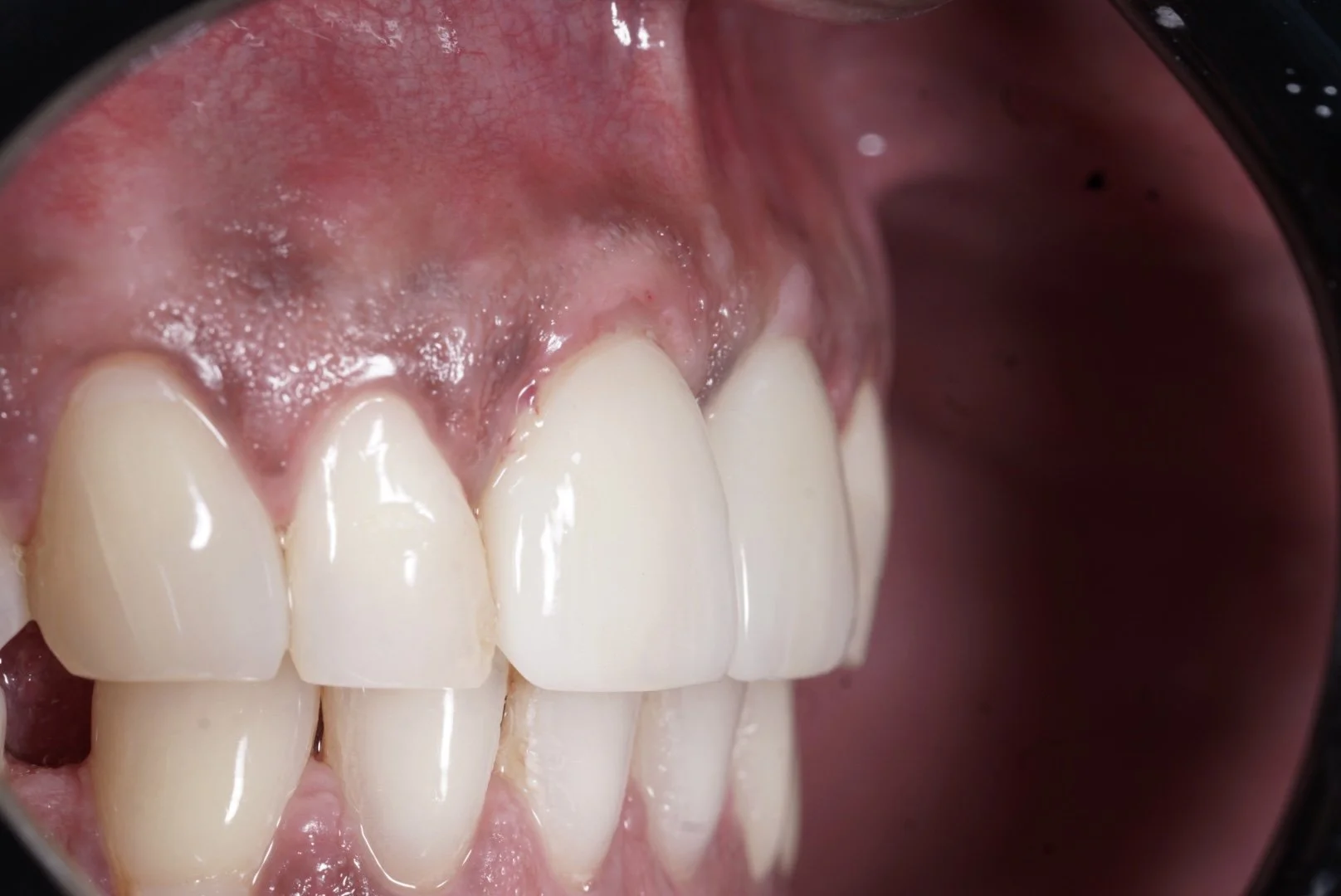
A natural looking implant crown replacing missing upper left lateral incisor, blending perfectly with gum contour.

At Implant Dentistry Toronto™, we obsess over details. Here, the gum contour for a missing lateral incisor was shaped through atraumatic extraction, immediate implant placement, and a well-contoured provisional to guide soft-tissue healing.
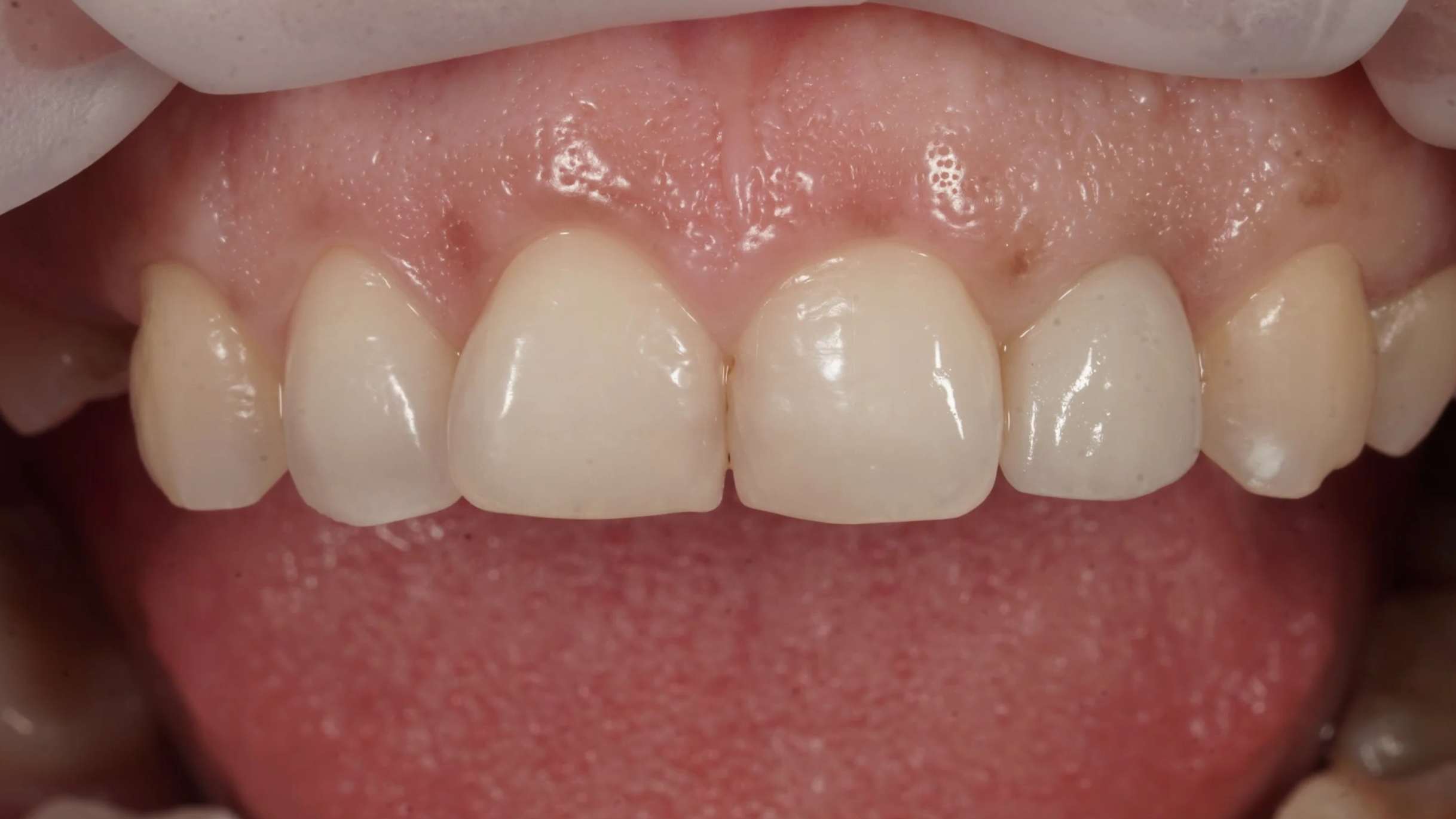
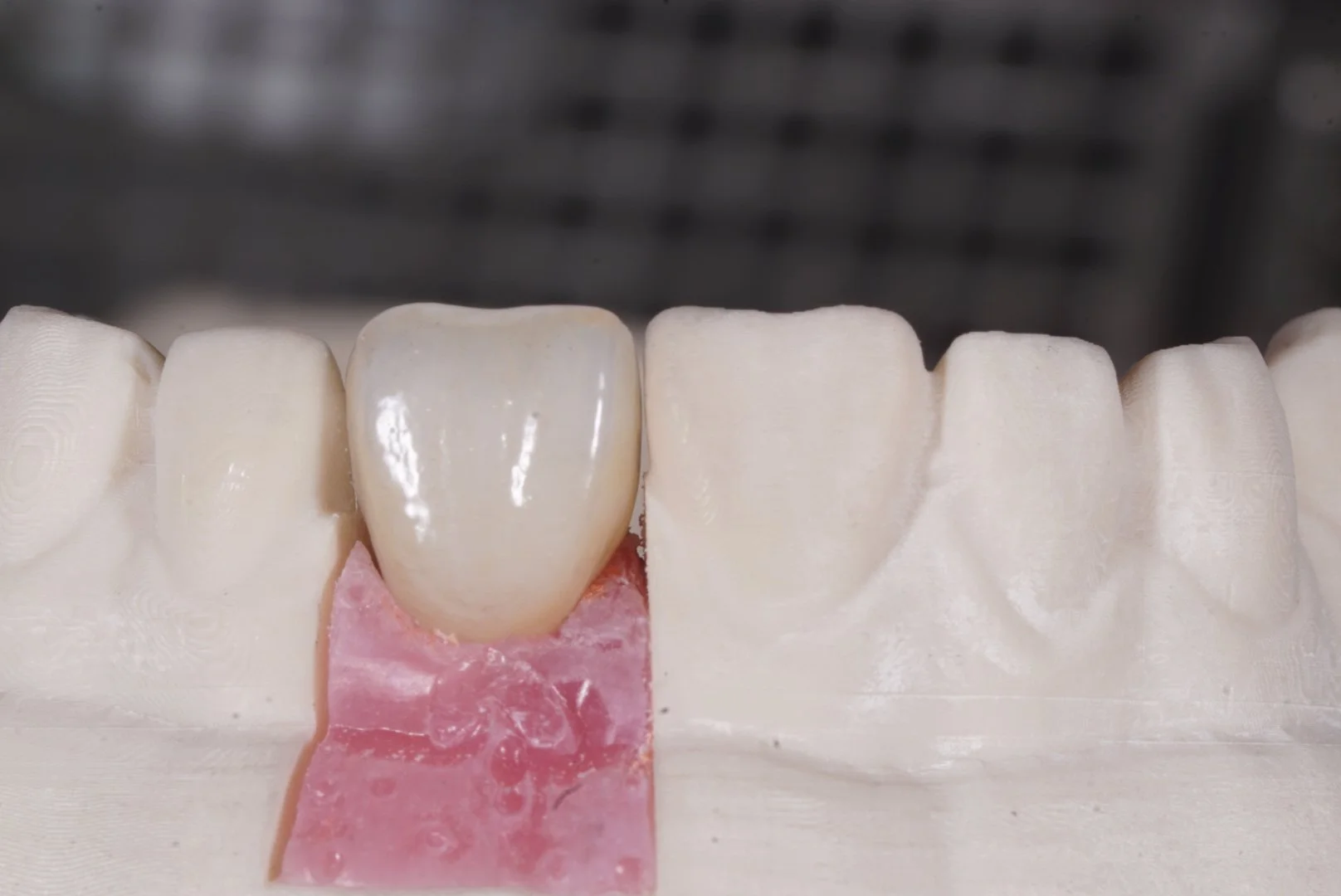
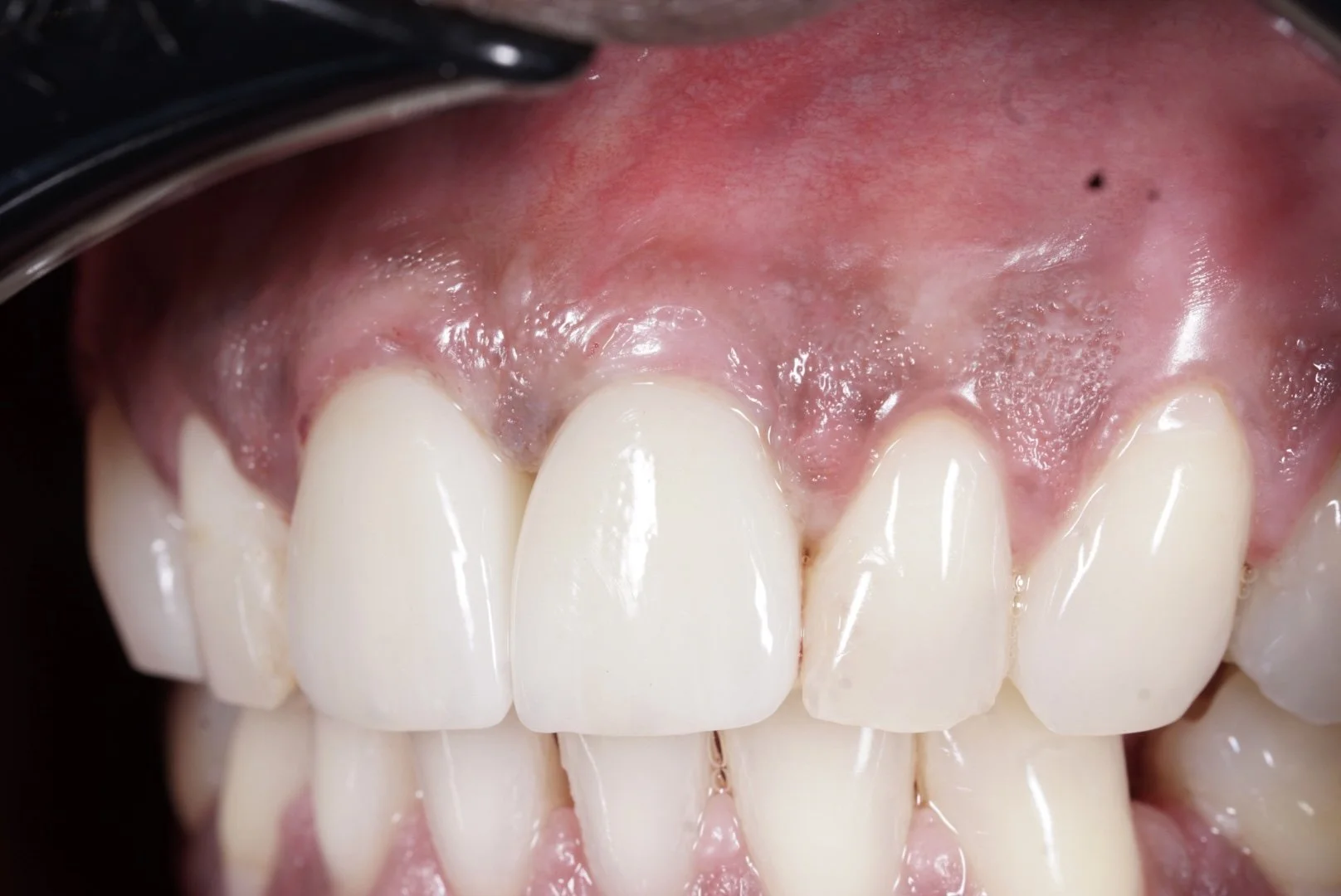
Final screw-retained ceramic crown on the upper left lateral incisor — shade, shape, and emergence profile blending with adjacent teeth.
Natural-Looking, Long-Lasting Solutions for Missing Teeth
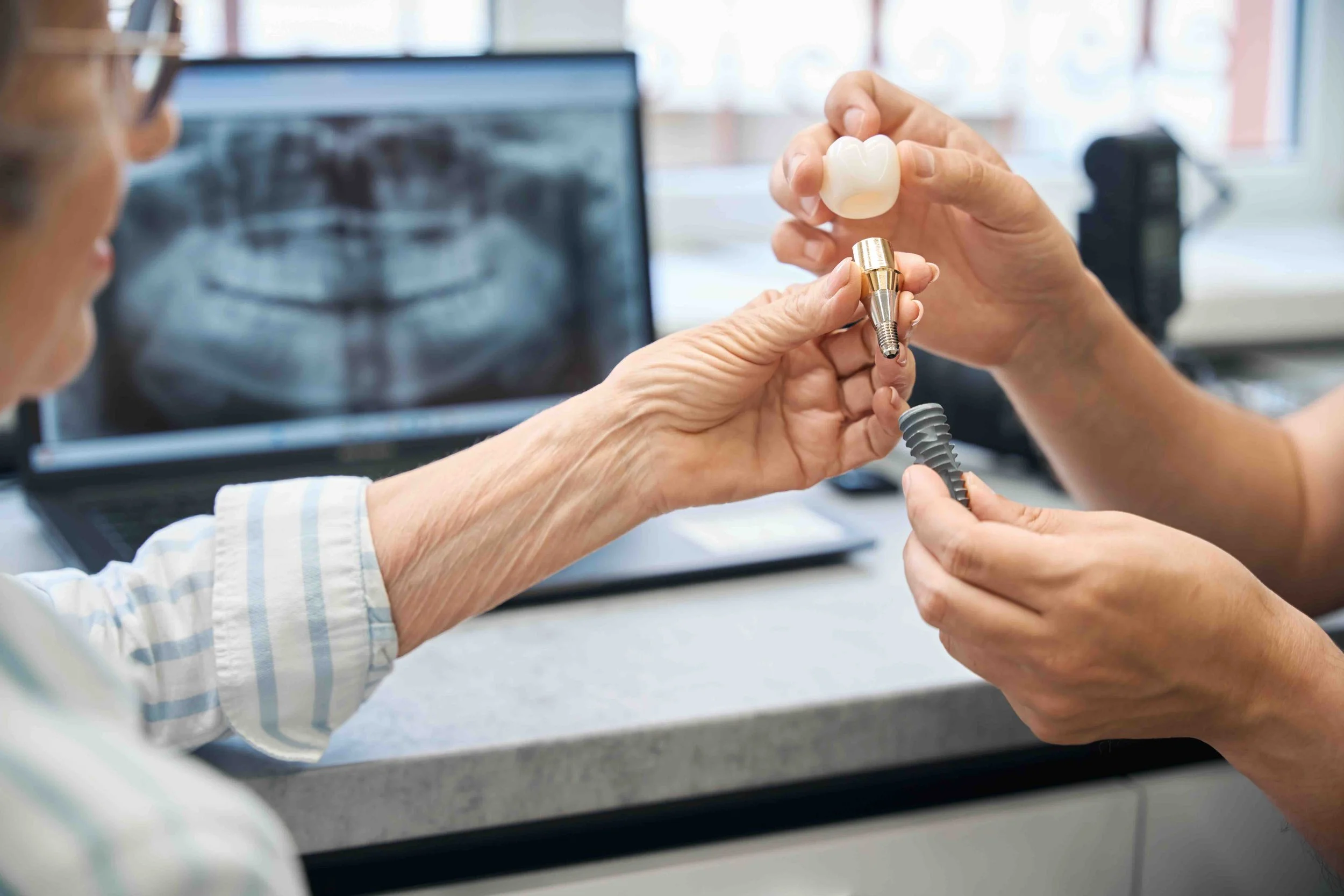
Dental implants are the most advanced way to replace missing teeth — designed to look, feel, and function like natural ones. A dental implant is a small titanium (or zirconia) post placed in the jawbone to act as an artificial root. After placement, it integrates with the surrounding bone through a process called osseointegration, creating a stable, permanent foundation for a crown, bridge, or full-arch restoration.
Unlike dentures or bridges, implants do not rely on adjacent teeth and do not slip or shift. They restore natural biting force, preserve bone volume, and support the soft-tissue contours around the missing tooth.
Replace one or more missing teeth without affecting neighbours
Preserve jaw bone and prevent facial profile changes
Restore natural chewing efficiency and speech
Maintain gum contour and smile esthetics
Long-term success exceeding 95% at 10 years in clinical studies
WHAT ARE DENTAL IMPLANTS?
See real patient results
Dr. Cavus documents selected implant cases with clinical photographs — including esthetic zone, full-arch, and immediate implant treatments.
Why Patients Choose Dr. Cavus for Implant Dentistry
Trusted experience
Practicing since 2005. Extensive experience in implantology, grafting, and full-arch rehabilitation.
Continuity of care
Planning, surgery, and restoration are performed by Dr. Cavus, ensuring one calibrated plan from start to finish.
Comfort and Sedation Options
Certified in IV and oral sedation by the RCDSO, Dr. Cavus offers safe and effective ways to keep you relaxed throughout implant surgery.
→ Learn more about Sedation Dentistry →
Advanced Diagnostics and Planning
3D CBCT, guided surgery when indicated, and intraoral scanning for accurate, prosthetically driven placement.
Dental Implants — Common Patient Questions
1. How long does it take to complete a dental implant treatment?
The duration depends on the individual case.
In some cases, such as when bone quality is excellent, immediate placement and loading may shorten this timeline.
For many patients, the process—from implant placement to final crown—takes about three to four months.
This allows time for the implant to integrate with the bone and ensure long-term stability.
Click here to learn more about immediate implants and same day teeth!
2. What materials are dental implants made of?
Most dental implants are made from titanium or titanium alloys, known for their strength and biocompatibility.
These materials integrate safely with bone (a process called osseointegration) and have decades of clinical success.
For patients seeking metal-free alternatives, zirconia implants may also be an option in selected cases.
3. Will my dental implant look different from my natural teeth?
Dental implants are designed to look and function as closely as possible to natural teeth.
Dr. Cavus carefully plans each case to achieve harmony in shape, shade, and gum contour.
In esthetically sensitive areas, he may also perform soft-tissue grafting or use temporary restorations to guide gum healing for a more natural appearance.
Individual results vary depending on tissue anatomy, bone structure, and overall oral health.
4. What can I eat after getting a dental implant?
During the first few days, a soft-food diet is recommended to protect the surgical area and promote healing.
As comfort improves, you can gradually return to normal eating habits.
Once the implant has fully integrated, you’ll regain full chewing function comparable to natural teeth.
5. How do I clean and care for a dental implant?
Implants require the same level of daily care as natural teeth — brushing twice daily, interdental cleaning, and regular professional hygiene visits.
Avoid using metal picks or abrasive toothpaste.
A water flosser and soft-bristled toothbrush are ideal for maintaining gum health around the implant.
Click here to learn more about dental implant aftercare.
6. What happens if an implant fails to integrate?
Although rare, implant failure can occur due to infection, smoking, uncontrolled systemic conditions, or heavy biting forces.
If integration doesn’t occur, the implant can be replaced after the area heals.
Published clinical studies consistenly report 10-year dental implant survival rates above 95% with appropriate patient selection and maintenance.
With consistent oral hygiene and regular professional care, dental implants may remain functional for many years — individual longevity varies based on bone quality, systemic health, and maintenance habits.
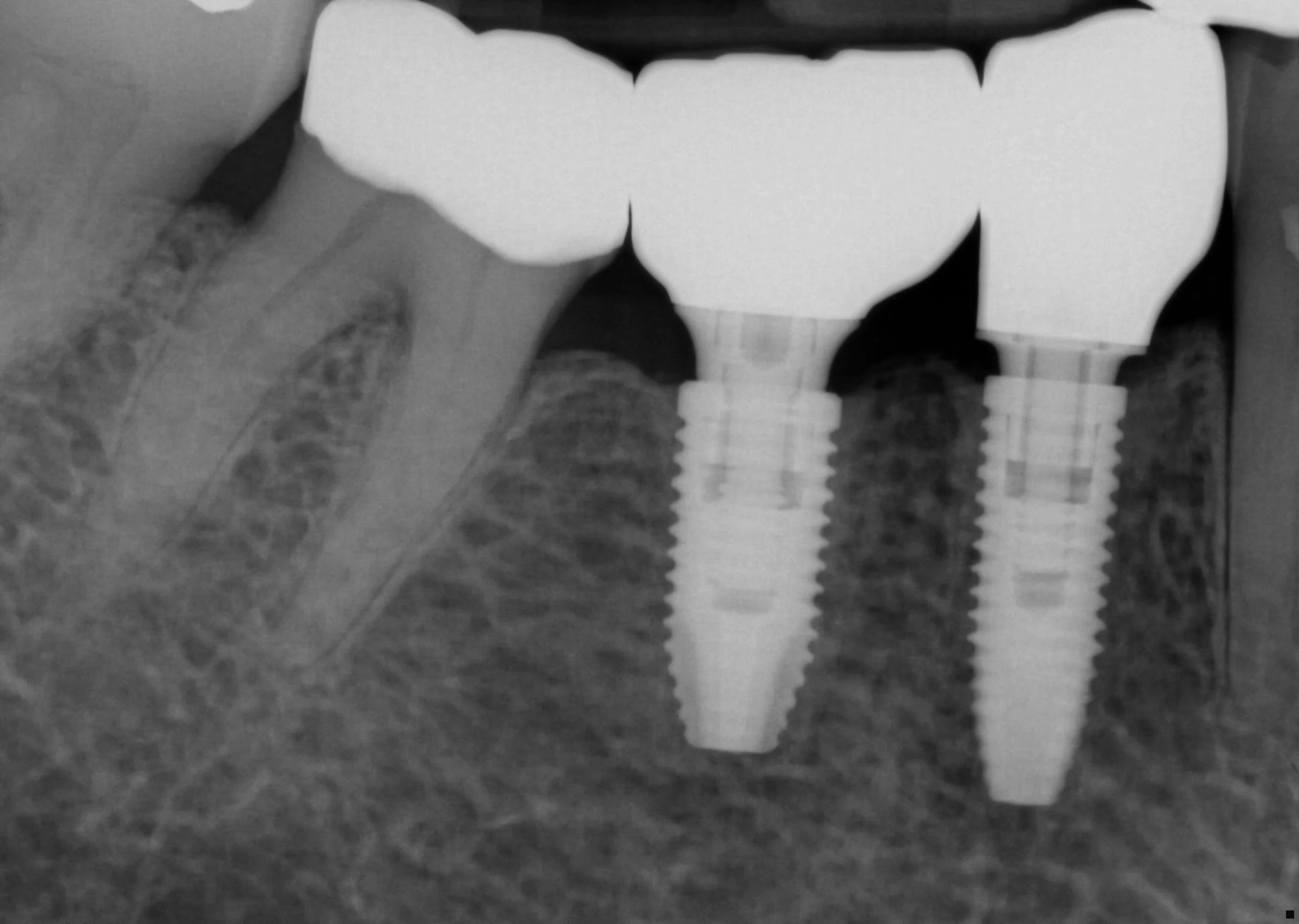
Types of Dental Implant Treatments
Single Tooth Implants
Replace a missing tooth with a single implant and crown — restoring appearance and function without affecting neighbouring teeth.
Implant-Supported Bridges
For patients missing several adjacent teeth, implant-supported bridges provide stability and comfort superior to traditional bridges.
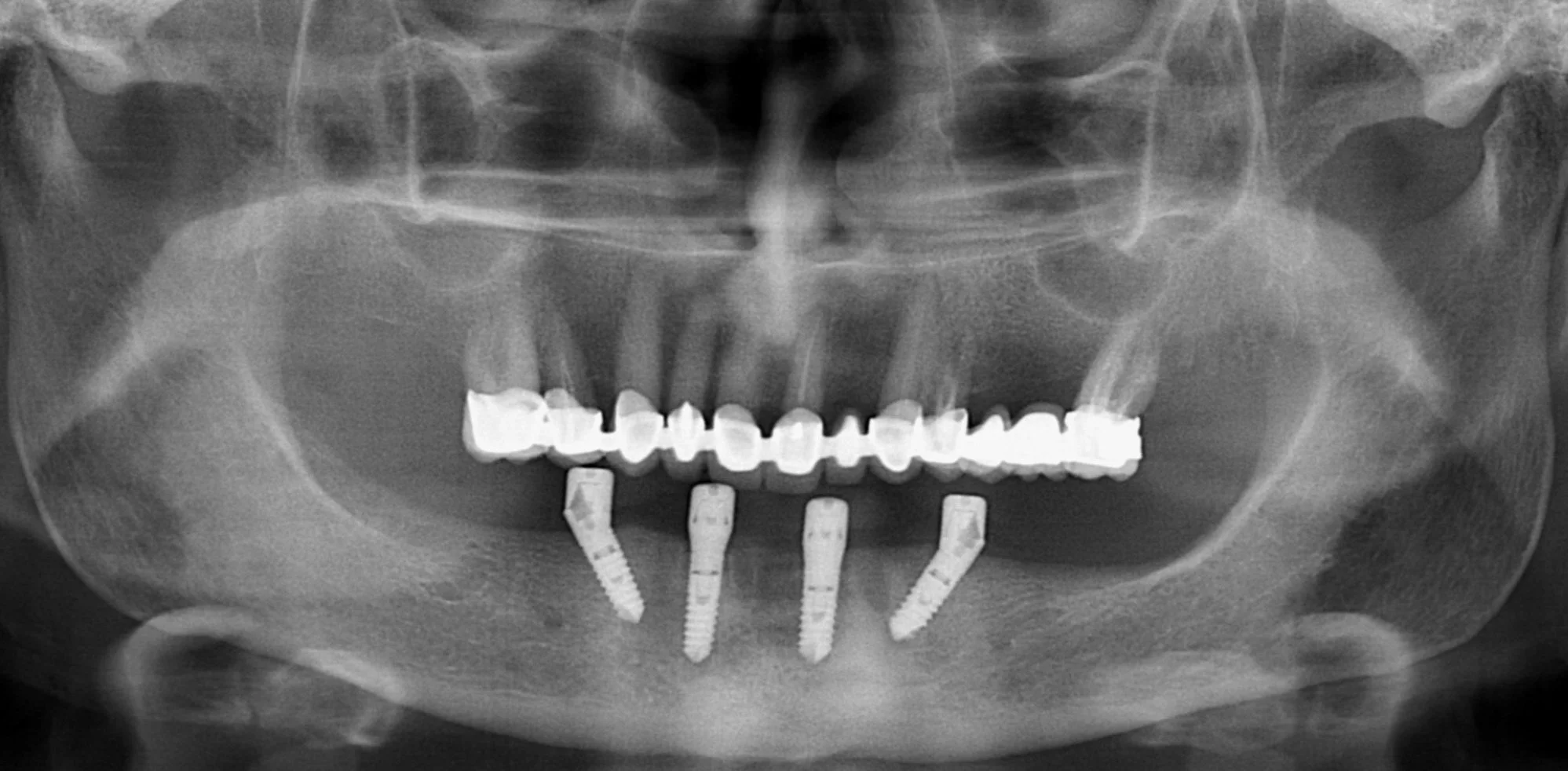
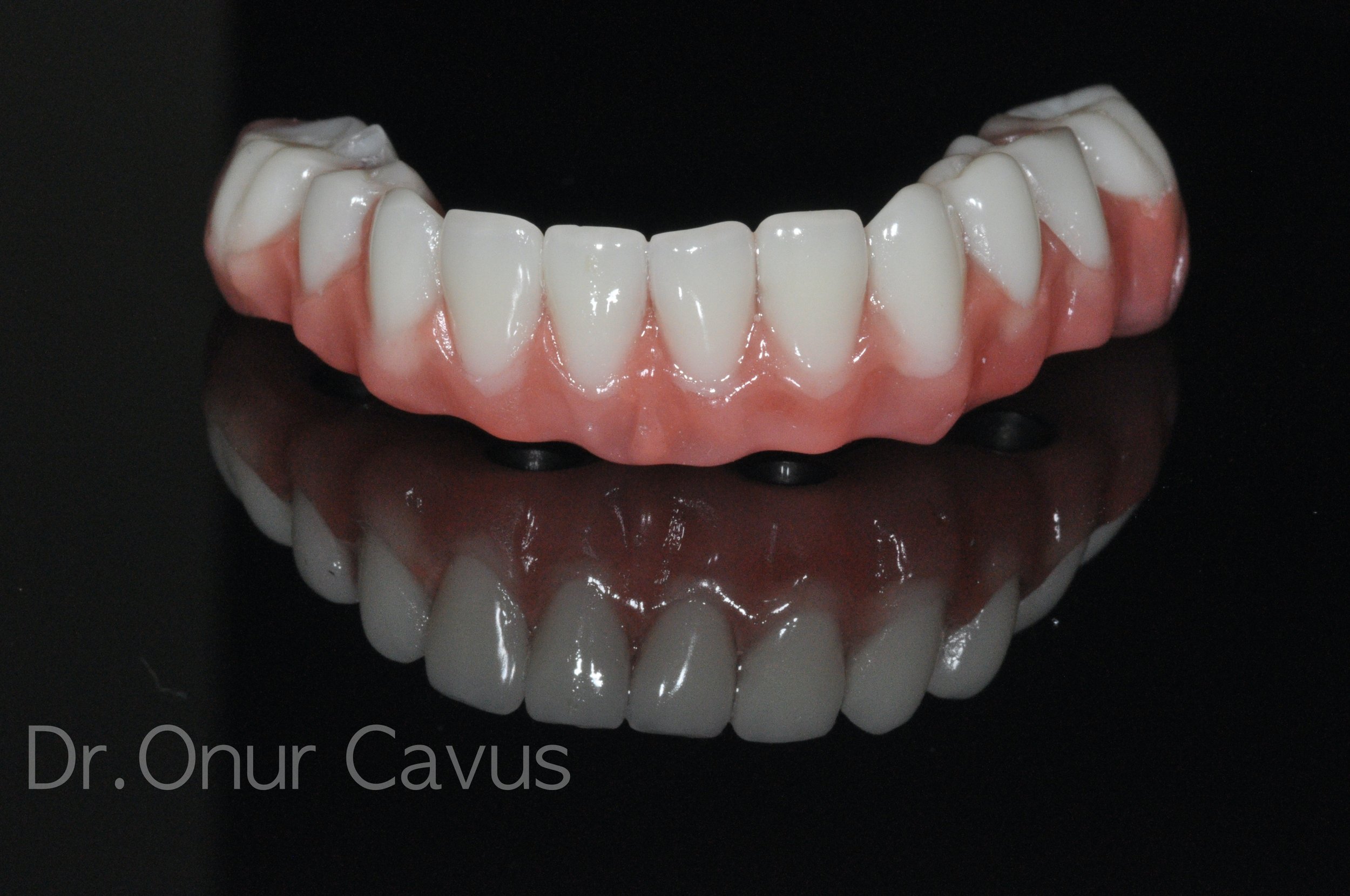
Full Arch Implants (All-on-4 / All-on-X)
A fixed full-arch restoration supported by four to six implants — ideal for patients missing most or all teeth.
Implant Placement and Healing Process
1. Consultation & 3D Planning — exam, CBCT, and prosthetic planning.
2. Surgical Placement — local anesthesia or IV sedation; atraumatic technique.
3. Osseointegration — 8–12 weeks typical; provisionals or healing abutments used as needed.
4. Final Restoration — custom abutment and crown/bridge designed to blend with your natural smile.
Bone and Soft-Tissue Enhancement
When bone or gum volume is limited, bone grafting, sinus lifting, or connective-tissue grafting can rebuild the foundation for a durable, esthetic result.
Aesthetic Zone and Immediate Implants
In highly visible areas, such as the front teeth, implants require extra precision to achieve a natural look.
Dr. Cavus uses immediate placement, provisional crowns, and soft-tissue sculpting to preserve the gum line and papilla.
View this aesthetic zone dental implant case with step-by-step results

Comfort and Safety During Implant Surgery
Implant surgery is performed with a gentle approach and meticulous attention to detail.
Patients who experience anxiety or prefer enhanced comfort can choose IV sedation or oral sedation, administered safely by Dr. Cavus.
→ Explore Sedation Options → → Learn about Before and After Implant Surgery →
Who’s a Good Candidate?
Healthy gums/bone, non-smoker or motivated to quit, good oral hygiene, and stable medical conditions.
Possible Risks
Infection, early mobility, soft-tissue irritation, or prosthetic wear over time. Careful planning and maintenance reduce risk.
Learn More About Dental Implants
Want to learn more about dental implants? Visit aaid-implant.org for trusted information, including downloadable resources, patient stories, and expert-written blogs.
Dr. Cavus says:
“As a member of the American Academy of Implant Dentistry, AAID, I stay aligned with evidence-based standards and ongoing education.”
"Dental implants aren't just about replacing teeth — they restore confidence, oral health, and quality of life."
— Dr. Onur Cavus, General Dentist, Toronto
Authored by: Dr. Onur Cavus — General Dentist; Certified in Moderate IV Sedation
Last reviewed/updated: November 8, 2025.
Memberships: ODA, CDA, AAID, ITI & FOR.
Disclaimer: Information is educational and not a substitute for personalized diagnosis.
Frequently Asked Questions about Dental Implants
-
Dental implant surgery is performed under local anesthesia, and patients typically report little to no pain during the procedure.
Mild soreness afterward is normal and can be managed with prescribed medication and simple home care. Most patients describe it as easier than expected.
-
With consistent oral hygiene and regular professional care, dental implants may remain functional for many years — individual longevity varies based on bone quality, systemic health, and maintenance habits.
-
In some cases, yes. When bone quality and implant stability allow, an implant and temporary crown can be placed immediately after extraction — called immediate loading or same-day implants.
This approach preserves the gum contour and shortens treatment time.
-
A lack of bone doesn’t mean implants aren’t possible.Procedures like bone grafting or sinus lifting rebuild the jaw structure so implants can be safely and predictably placed.
→ Learn more about Bone Grafting and Sinus Lifting
-
Yes. Dental implants are one of the safest and most predictable procedures in modern dentistry, with success rates exceeding 95% when performed by an experienced clinician.
All materials used are biocompatible and rigorously tested.
-
Absolutely. For patients who prefer a more relaxed experience, Dr. Cavus provides IV sedation or oral sedation, ensuring comfort throughout the procedure.
-
Dental implants generally do not trigger airport metal detectors and are typically compatible with MRI. Always inform your healthcare provider about any implants prior to imaging.
In summary, Dr. Onur Cavus and Implant Dentistry Toronto™ provide comprehensive implant dentistry for patients across Toronto and North York.
Treatment includes single-tooth and full-arch dental implants, bone grafting, sinus lifting, and soft-tissue management — all performed in-house by Dr. Cavus.
As a general dentist certified by the Royal College of Dental Surgeons of Ontario (RCDSO) and experienced in dental surgery, implantology, and IV sedation, Dr. Cavus focuses on precise planning, atraumatic technique, and long-term functional and esthetic outcomes.
Each case is individually designed using digital imaging and evidence-based protocols to restore comfort, confidence, and oral health predictably.
Dental implants will be available at Innova Dental, Dr. Cavus’s new implants and comprehensive dentistry clinic opening in downtown Toronto in 2027.